
Caulk’s Field & the History of Tulip Forest
Nearly three centuries of Eastern Shore history remain visible at Tulip Forest, from Caulk’s Field House, circa 1743, to the preserved landscape of one of Maryland’s most significant War of 1812 battle sites.
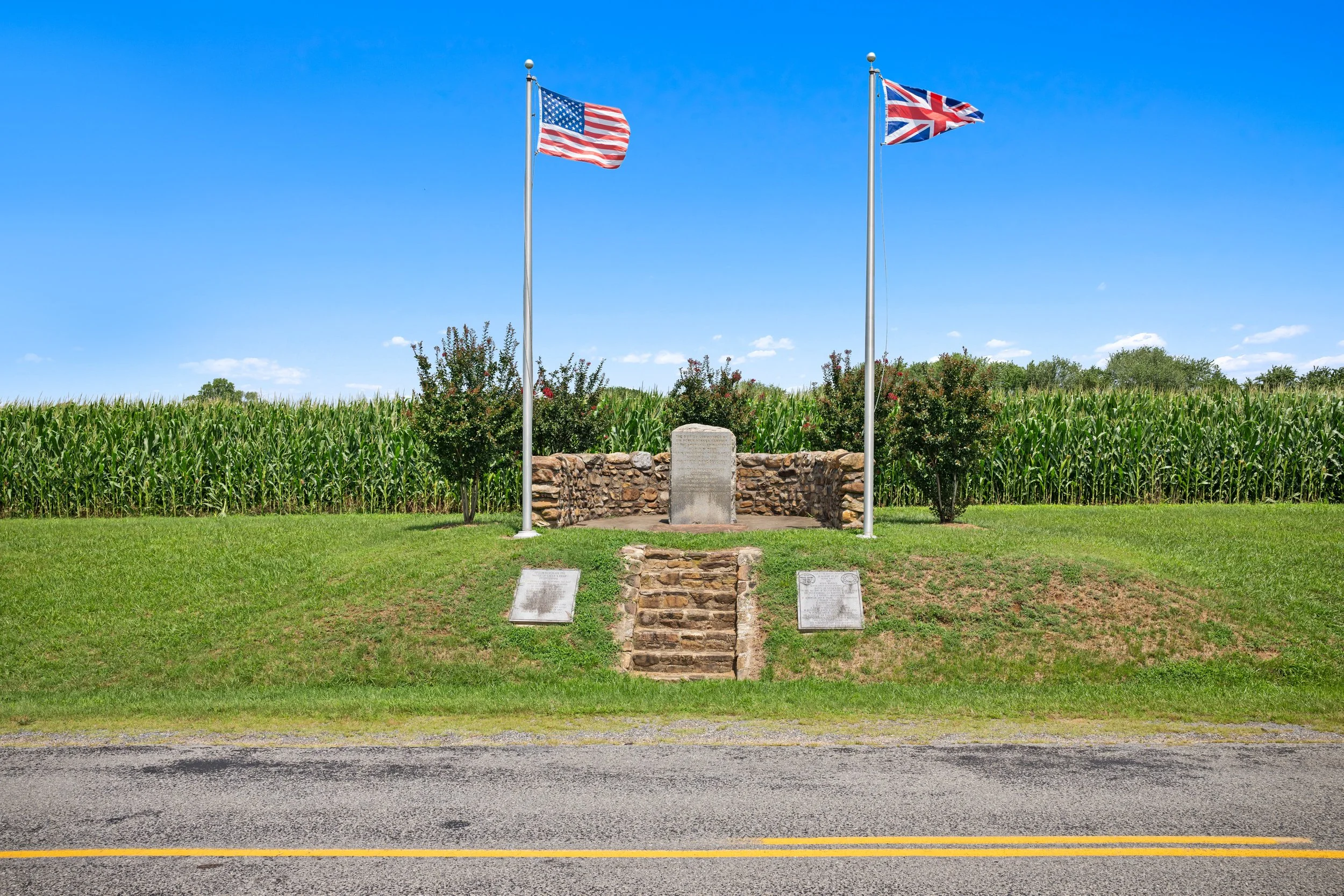
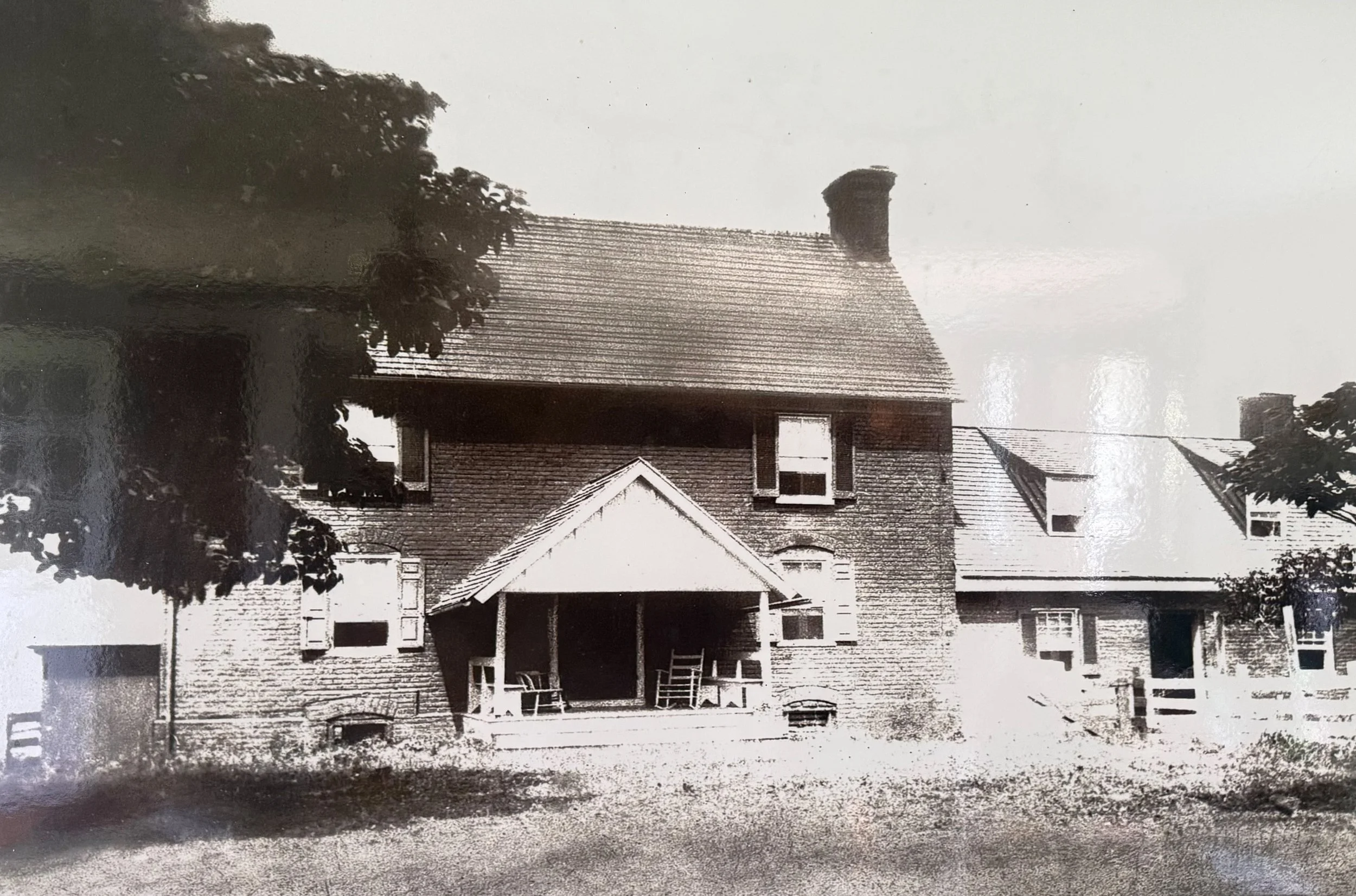
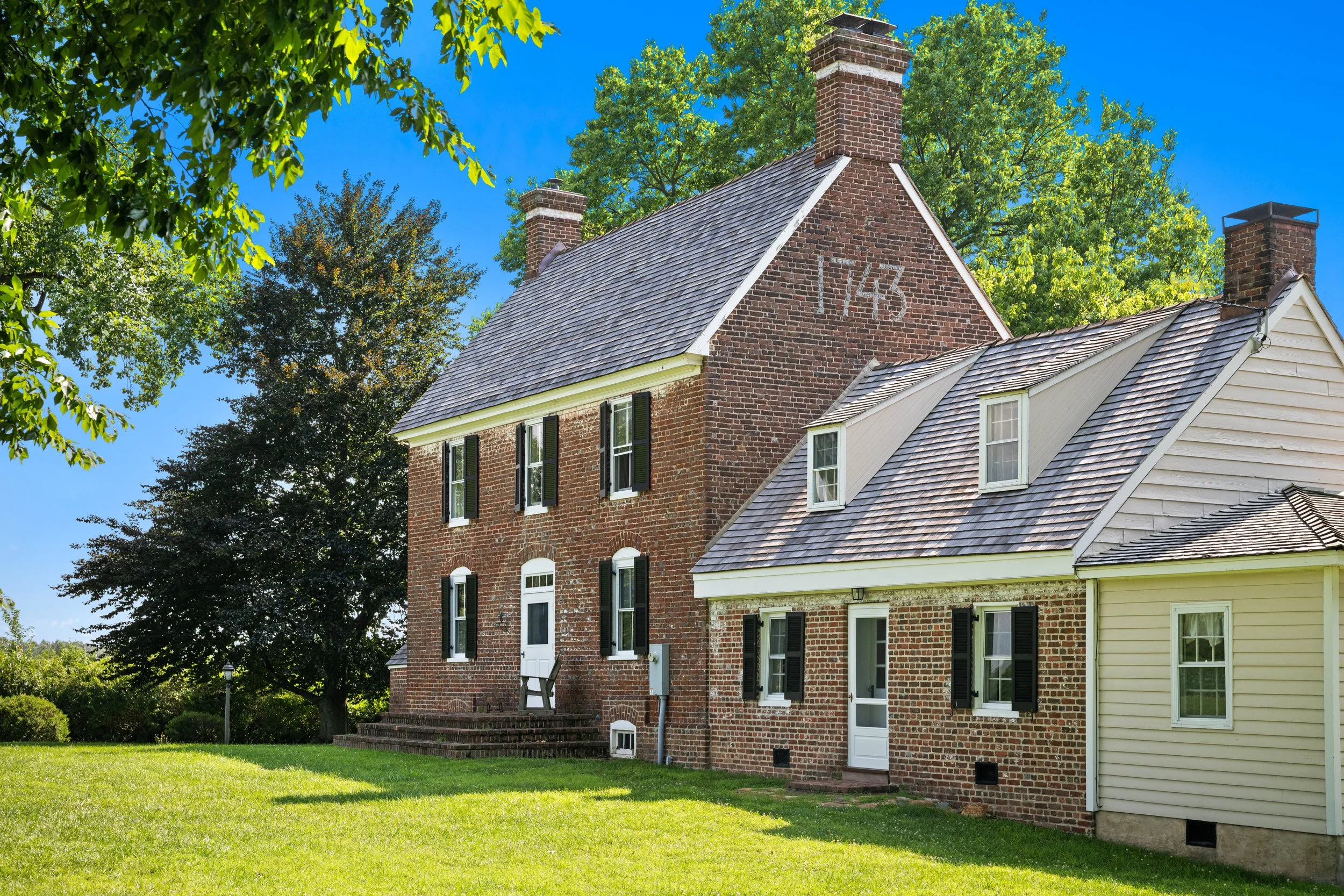
Tulip Forest’s history is inseparable from the land itself. The surviving house, fields, contours, and rural setting create a rare physical connection to the Battle of Caulk’s Field and to generations of stewardship before and after it.
Caulk’s Field House, circa 1743, stands at the historic center of the property and remains one of its defining architectural features.
Site of the Battle of Caulk’s Field, fought on the night of August 30, 1814, during the Chesapeake Campaign of the War of 1812.
Maryland militia under Lt. Col. Philip Reed held the field against British forces led by Captain Sir Peter Parker, who was mortally wounded during the engagement.
A remarkably intact battlefield landscape, with fields, contours, and rural setting still largely recognizable more than two centuries later.
Recognized among Maryland’s best-preserved War of 1812 sites, reinforcing the significance of the property beyond its agricultural and sporting value.
Included along the Star-Spangled Banner National Historic Trail, connecting Caulk’s Field to the broader Chesapeake Campaign and the national story of the War of 1812.
A landscape where historic significance and continued land use coexist, allowing the property to remain both a working farm and an important historic site.